Estate PrestigeArticleSouth-West

Estate Prestige becomes Douglas Elliman France

We are proud to announce today our international affiliation with Douglas Elliman, the leading name in luxury real estate in the United States.

This alliance marks a new chapter, one built on shared values: high standards, expertise, and service excellence.
By combining our deep knowledge of the French market with Elliman’s global reach, we guide our clients toward the most exceptional properties in France and around the world.

With 14 offices and a team of dedicated professionals, we are strengthening our presence and continuing to grow.
New agencies will soon open in some of the most iconic destinations, Monaco, Saint-Tropez, and the French Alps by the end of the year.

One vision, one standard: the art of exceptional real estate.
Stay tuned, the Douglas Elliman France adventure is just beginning.

Contemporary Architecture: The Art of Modern Living

L’architecture contemporaine échappe aux définitions simplistes, précisément parce qu’elle regroupe des approches philosophiquement opposées. Entre minimalisme japonais et brutalisme méditerranéen, on trouve quelque part la high-tech britannique et l’organicisme scandinave. Il y en a tant d’autres, chaque courant proposant sa vision de l’habitat moderne. Une diversité qui enrichit le marché immobilier haut de gamme, où les acquéreurs recherchent avec nous des créations qui correspondent à leur vision personnelle de la modernité.

Douglas Elliman France référence régulièrement ces créations architecturales dans son portefeuille de villa contemporaine à vendre. Notre position sur le marché nous permet également d’observer l’évolution des tendances, et la manière dont certains courants s’imposent durablement… tandis que d’autres restent des expérimentations éphémères.

Les familles de matériaux et leurs philosophies

L’architecture contemporaine se structure autour de trois grandes approches matérielles. Chaque approche du matériau repose sur une philosophie de l’habitat très particulière.

Le courant minéral privilégie le béton brut, la pierre massive et les associe à des degrés différents avec le verre structurel. Ces réalisations sont souvent monumentales, on assume quelque part une “présence” dans le paysage. Les villas de Marc Barani sur la Côte d’Azur sont un condensé parfait de cette approche : béton matricé en façade, sols en pierre de Cassis, menuiseries en acier galvanisé. L’ensemble forme des volumes sculpturaux qui dialoguent en quelque sorte avec la roche méditerranéenne. Cette architecture demande une maîtrise parfaite du coulage du béton et des entreprises spécialisées dans le béton architectonique.

Le courant bio-sourcé utilise le bois lamellé-collé (CLT), la terre crue stabilisée, les isolants en fibre de bois. Ces matériaux s’assemblent selon des techniques anciennes savamment revisitées : tenons-mortaises assistés par commande numérique, pisé projeté, charpentes en gridshell, etc. Les réalisations de l’agence Tectoniques près de Lyon, par exemple, montrent comment ces matériaux créent des ambiances chaleureuses tout en atteignant une performance thermique passive remarquable.

Le courant high-tech quant à lui exploite davantage les composites, l’acier inoxydable, les verres électrochromes comme matériaux de prédilection. Les façades deviennent des peaux intelligentes qui réagissent à leur environnement :

  • Brise-soleil en aluminium anodisé pilotés par capteurs solaires
  • Vitrages à opacification variable commandés par domotique
  • Panneaux photovoltaïques intégrés architecturalement
  • Membranes ETFE (éthylène tétrafluoroéthylène) pour les couvertures translucides

Ces trois approches ne s’excluent pas mutuellement, loin de là. On observe régulièrement des biens mélangeant les philosophies. Et les architectes les plus intéressants les hybrident volontiers : structure béton habillée de bois, façades high-tech sur ossature bio-sourcée. C’est dans ces métissages que naissent des créations magnifiquement abouties.

Configurations spatiales : trois écoles de pensée

Nous avons commencé par parler de matériaux, mais l’organisation intérieure des villas contemporaines suit aussi trois logiques distinctes. Chacune vise à proposer une expérience spatiale spécifique.

L’école de la transparence totale postule que l’on doit supprimer toute cloison non structurelle. Un unique volume fluide, modulé par des différences de niveaux et des meubles-cloisons. Cette approche est inspirée des case study houses californiennes, et elle convient, il faut le dire, aux climats doux et aux modes de vie décontractés. Les villas de l’agence Saota, bien que sud-africaines, influencent ce courant en France avec leurs espaces de 200 m² sans séparation, structurés uniquement par des îlots fonctionnels.

L’école de la cellularité flexible maintient que les espaces doivent être distincts, mais transformables. Des cloisons coulissantes de grande dimension – parfois 4 mètres de hauteur sur 6 de largeur – permettent de reconfigurer l’espace selon les moments et les humeurs de saison. Le salon devient salle de réception, les chambres d’amis se transforment en bureaux. Cette approche, développée par les architectes japonais comme Shigeru Ban pour des bâtiments de réception, séduit une clientèle qui alterne vie familiale intime et réceptions professionnelles.

L’école de la stratification programmatique organise la villa en strates fonctionnelles superposées, comme son nom le suggère bien :

  • Niveau jardin : espaces techniques, cave à vin, salle de sport
  • Niveau jour : réception, cuisine, terrasses
  • Niveau nuit : suites, espaces intimes
  • Niveau belvédère : bureau, atelier, solarium

Chaque niveau fonctionne de manière autonome avec ses circulations et ses terrasses. Cette organisation, popularisée par les concepteurs hollandais de l’OMA (Office for Metropolitan Architecture), convient aux terrains en pente et aux familles nombreuses, avec plusieurs générations réunies.

Approches environnementales : du cosmétique au radical

Avec l’intégration de l’environnementale, on observe trois niveaux d’engagement. En clair, du plus superficiel au plus radical.

Le bioclimatisme d’optimisation ajuste l’orientation et les ouvertures, mais sans remettre en cause l’architecture. Débords de toiture calculés, brise-soleil orientables, ventilation traversante : ces dispositifs améliorent le confort sans transformer fondamentalement le projet. La plupart des villas contemporaines à vendre intègrent aujourd’hui ce niveau minimal d’adaptation climatique.

Le bioclimatisme intégré fait du climat un élément générateur même du projet. Les maisons-serres de Lacaton & Vassal sont un condensé de cette approche : une double peau de polycarbonate crée une zone tampon thermique, les espaces de vie migrent selon les saisons entre intérieur protégé et jardin d’hiver. Les murs trombes, les puits canadiens, les toitures réservoirs participent activement à la régulation thermique.

L’architecture régénérative vise l’impact positif sur l’environnement. Au-delà de la neutralité carbone, ces projets produisent plus d’énergie qu’ils n’en consomment, traitent leurs eaux usées par phytoépuration, créent des corridors écologiques :

  • Façades dépolluantes en dioxyde de titane
  • Jardins verticaux abritant la biodiversité locale
  • Récupération intégrale des eaux pluviales pour l’irrigation
  • Production alimentaire en permaculture intégrée
  • Etc.

Cette approche radicale reste pour l’heure minoritaire. Mais elle commence à influencer l’ensemble du secteur. Les acquéreurs les plus engagés y voient l’anticipation des normes futures et une forme de responsabilité environnementale.

Quelle est la valeur du contemporain dans le patrimoine immobilier ?

Le marché valorise différemment ces approches architecturales, c’est une évidence. Les créations minérales signées par des architectes reconnus prennent de la valeur davantage comme des œuvres d’art. Les réalisations biosourcées séduisent une clientèle sensible au bien-être et à l’écologie. Les villas high-techs attirent les amateurs de technologie, mais elles nécessitent des mises à jour régulières.

Douglas Elliman France observe que les créations les plus pérennes combinent signature architecturale forte, qualité de réalisation irréprochable et adaptabilité aux évolutions des modes de vie. Ces biens, régulièrement présents dans notre portefeuille, trouvent rapidement acquéreur auprès d’une clientèle internationale sensible à l’innovation architecturale.

L’architecture contemporaine représente désormais une part significative du marché haut de gamme. Loin d’être une mode passagère, elle répond aux aspirations d’une génération qui souhaite habiter des espaces en phase avec son époque, sans renoncer au confort ni à l’élégance.

Questions fréquentes sur l’architecture contemporaine

Qu’est-ce qui définit vraiment l’architecture contemporaine ?

L’architecture contemporaine se caractérise moins par un style unique que par des principes : innovation technique, relation repensée entre intérieur et extérieur, intégration environnementale, flexibilité des espaces. Chaque architecte interprète ces principes selon sa culture et sa philosophie, créant cette diversité qui enrichit le paysage architectural actuel.

Une maison contemporaine coûte-t-elle plus cher qu’une construction traditionnelle ?

Le surcoût dépend du niveau d’ambition architectural. Une villa minimaliste bien conçue peut coûter le même prix qu’une construction traditionnelle de standing. En revanche, les matériaux innovants, les grandes portées structurelles et les équipements domotiques peuvent majorer significativement le budget. L’économie d’exploitation compense souvent ce surinvestissement initial.

Comment vieillissent les architectures contemporaines ?

Le vieillissement dépend essentiellement de la qualité de conception et de réalisation initiale. Les matériaux nobles – béton matricé, bois massif, pierre naturelle, etc. – se patinent et gagnent en caractère. Les équipements techniques nécessitent un entretien régulier et des mises à jour. Les meilleures réalisations des années 1990 acquièrent aujourd’hui un statut patrimonial.

Peut-on transformer une maison traditionnelle en architecture contemporaine ?

La transformation reste techniquement possible… mais économiquement à confirmer ! Ouvrir les volumes, remplacer les menuiseries, créer des liaisons visuelles : ces interventions lourdes approchent souvent le coût d’une construction neuve. Certains architectes se spécialisent dans ces métamorphoses, créant des dialogues intéressants entre ancien et contemporain.

L’architecture contemporaine est-elle adaptée à tous les environnements ?

Chaque contexte appelle une réponse spécifique. L’architecture contemporaine sait s’effacer dans un site naturel protégé comme s’affirmer en milieu urbain. Les meilleures réalisations sont celles qui dialoguent intelligemment avec leur environnement, qu’il soit patrimonial, naturel ou périurbain. Les règlements d’urbanisme encadrent ces insertions, garantissant une certaine harmonie.

piscine-a-debordement

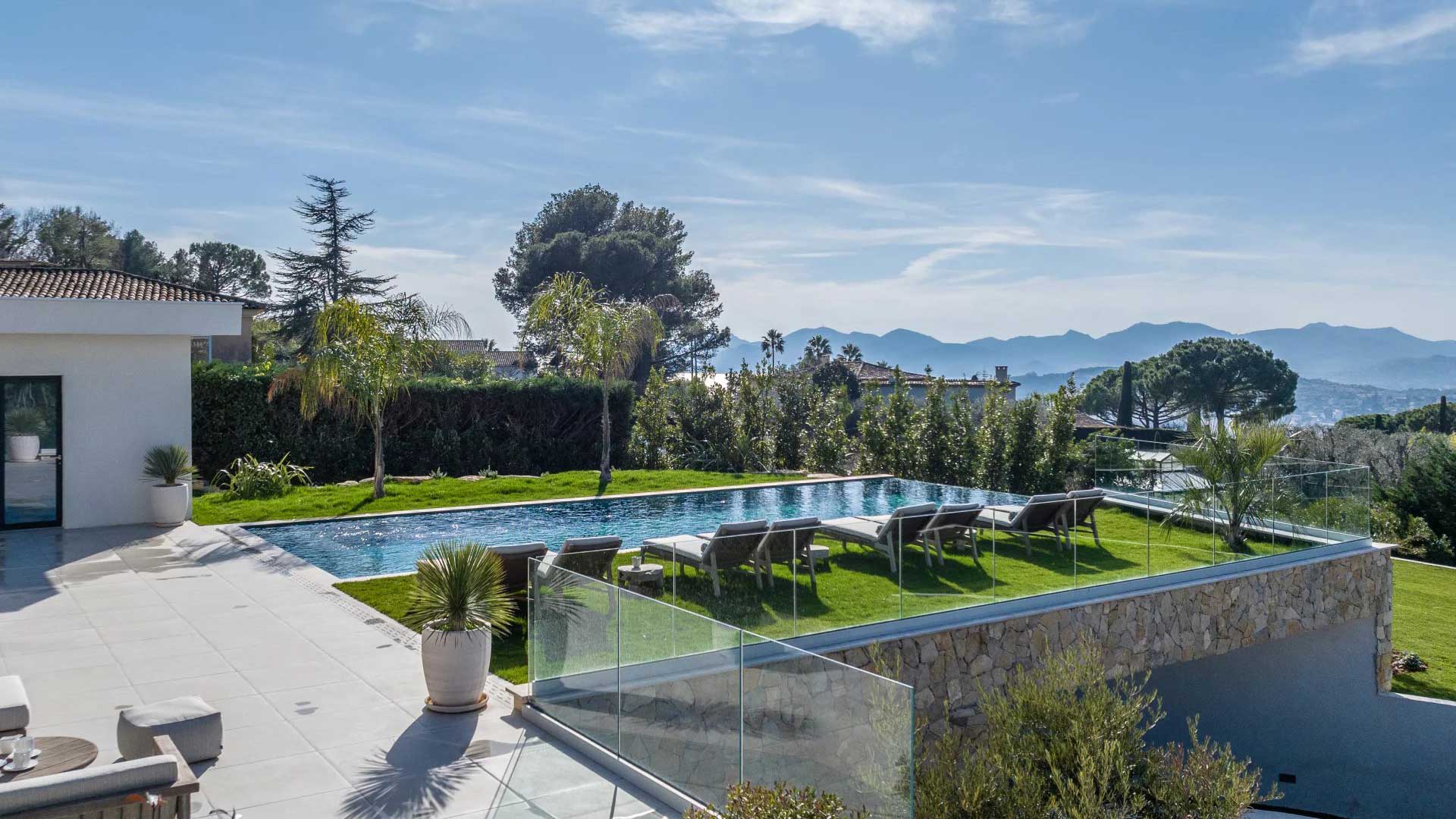
Infinity pools, a charming asset for your prestige villas

In the world of luxury and high-end architecture, every detail matters. The pursuit of aesthetics, attention to detail, and harmony with the environment lead luxury villa owners to invest in features that elevate their property into something truly exceptional. Among these features, the infinity pool has become a must-have. Elegant, refined, and decidedly contemporary, it adds a touch of charm that is both modern and inviting. Let’s take a closer look at this service that has become a symbol of luxury.

Infinity Pools: Not Your Average Pool

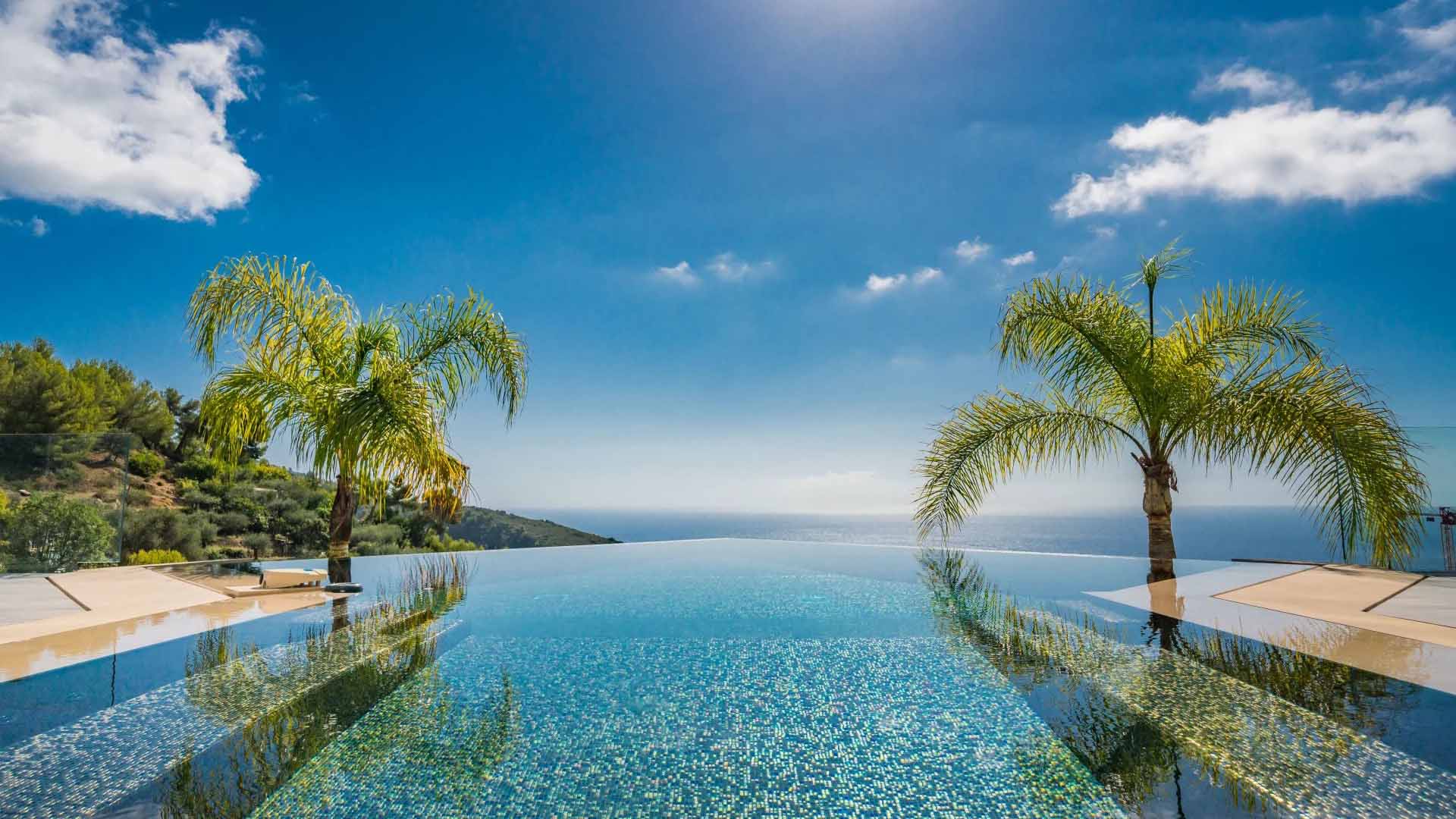
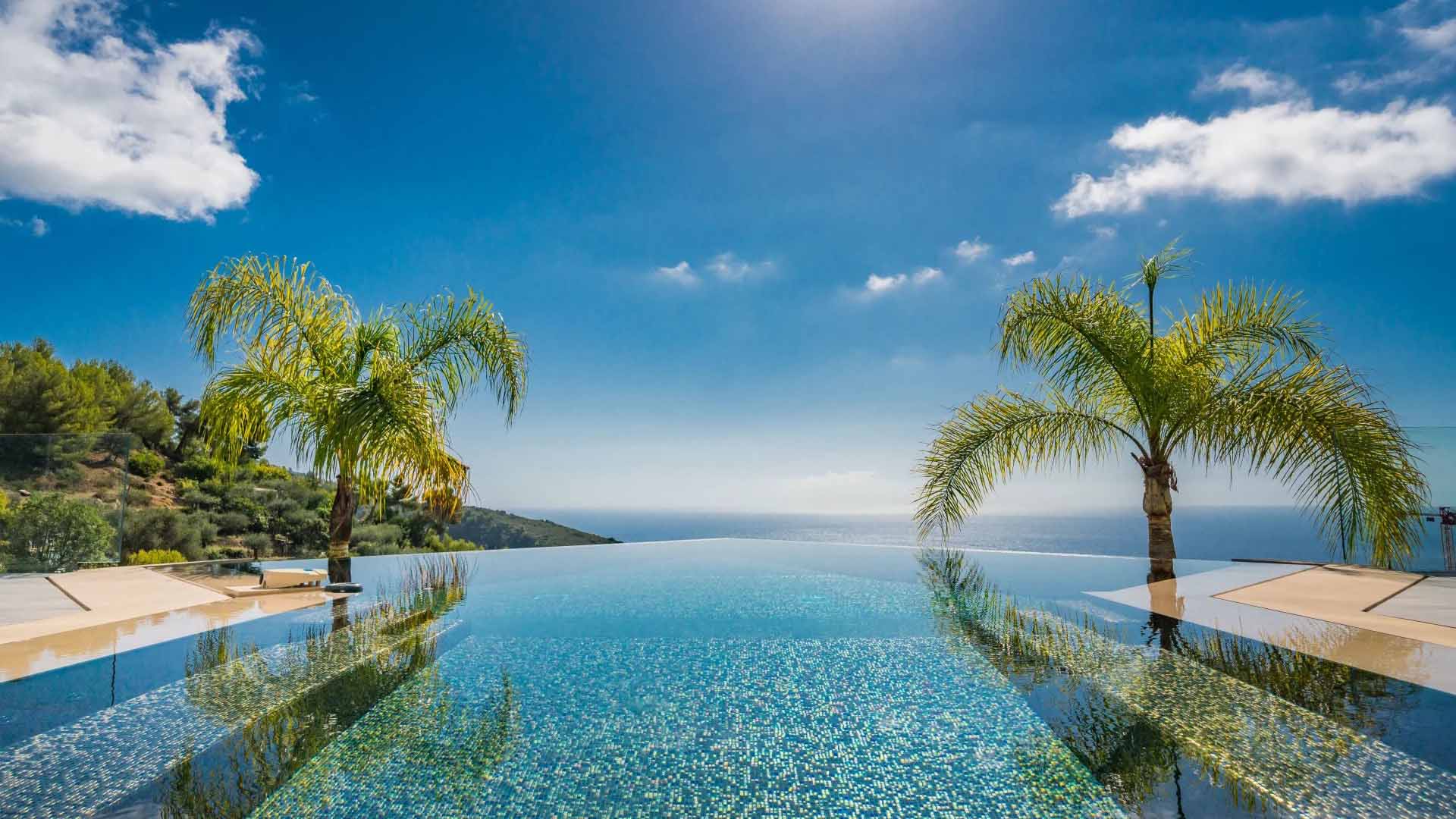
Unlike traditional pools where the water is contained within visible edges, an infinity pool gives the illusion that the water stretches out to the horizon, continually overflowing on one or more sides. This system relies on a simple principle: water spills over into a trough, is collected in a balancing tank, and then pumped back into the main pool. The result is a spectacular mirror-like effect, unobstructed views, and a premium visual appeal.

Unmatched Aesthetic

Infinity pools are often referred to as “water mirrors” because they act as architectural elements that enhance your villa’s lines and create a seamless visual flow with the surrounding landscape. Whether your garden overlooks the sea or offers panoramic hill views, the overflow creates an illusion of merging the pool with the scenery. This perfect integration with nature makes it a unique asset for any luxury property.

This type of project is also a creative playground for landscape architects. Thanks to the smooth and shiny water surface, every surrounding element is reflected in the pool: trees, sky, sunlight… everything contributes to creating an atmosphere of serenity and prestige.

Advantages of an Infinity Pool

Beyond its undeniable visual appeal, the infinity pool offers numerous functional benefits:

  1. Improved Water Quality: The continuous overflow system keeps water in constant motion, filtering it continuously and preventing impurities from accumulating on the surface.
  2. Natural Cooling: In summer, the cascading water helps regulate the pool’s temperature, enhancing swimming comfort.
  3. Safety: The lack of protruding edges on overflow sides can improve child supervision in some configurations.
  4. Quieter Operation: The overflow system runs more quietly than some traditional filtration systems.
  5. Relaxing Effect: The gentle trickle of water provides a soothing, zen-like ambiance for your garden or terrace.

A Bespoke Offering for Unique Projects

Every villa is unique, and so is every project. That’s why high-end pool builders offer fully tailored services to meet the expectations of the most discerning clients.

Luxury is also about personalization. Whether you want a sleek, minimalist mirror pool or a landscaped pool with gentle curves, a submerged beach, and a cascading overflow — anything is possible. The goal: to create a pool that reflects your personality, enhances your property’s value, and magnifies the view.

How Much Does an Infinity Pool Cost?

Beauty, of course, comes at a price. Due to its technical complexity and the materials used, an infinity pool represents a larger investment than a standard pool. The price can vary widely depending on factors such as pool size, overflow type, finishes, and site accessibility.

It’s essential to view this expense as an investment in your property’s value. An infinity pool can significantly boost the appeal and market value of your home.

Types of Overflow Systems

There are several types of infinity pools, each with its own characteristics and benefits:

  • Cascade Overflow: Water flows over one or more edges, creating the illusion that the pool merges with the landscape. Ideal for sloped terrain or villas with a view.
  • Mirror Overflow: Water gently spills over the entire pool perimeter, offering a flawless visual effect and spectacular symmetry. Popular in modern and minimalist designs.
  • Invisible Overflow: A more technical solution that allows the pool to blend almost seamlessly into the garden, enhancing the natural effect.

A Symbol of Prestige Worldwide

From villas in Saint-Jean-Cap-Ferrat to estates in the Côte d’Azur hinterland or luxury properties in Cannes, the infinity pool has become a true symbol of sophistication. You’ll also find it in five-star hotels, renowned spas, and architect-designed residences.

Beyond recreation, the pool often becomes the focal point of the property: it defines lounging areas, outdoor living spaces, sunbathing zones, dining spots, lighting design, and night-time ambiance.

Integrating Your Pool with the Landscape

The success of an infinity pool lies largely in its landscape integration. It’s not just about digging a hole — it’s about designing a coherent visual and functional ecosystem. Placement is crucial: it should maximize views, capture sky reflections, avoid excessive shading, and align with the architectural style.

Material choice is also key. Natural stone, tinted concrete, Italian tiles, glass mosaics… each texture and color contributes to the atmosphere.

An Investment in Your Luxury Property

By choosing to install an infinity pool in your prestige villa, you are doing more than creating a leisure space. The infinity pool embodies everything a luxury property should offer: style, comfort, and design.

Contact Douglas Elliman France to help you find an exceptional property with an infinity pool on the Côte d’Azur or in the Southwest of France, or to support your search for a renovation project in which you can incorporate this premium feature.

Our real estate agency specializing in luxury properties — in Cannes, Mougins, Valbonne, Saint-Jean-Cap-Ferrat, Bordeaux, and Biarritz — will guide you through every step of your project, from selecting the property to final signature.

Please contact us for more information.

Bordeaux-place

Top 5 Must-Visit Places in Bordeaux

Bordeaux, the legendary city in the southwest of France, is a true gem listed as a UNESCO World Heritage site. Every year, it attracts thousands of visitors eager to admire its iconic monuments, majestic architecture, and enchanting atmosphere. Planning a getaway to Bordeaux? Here are the five must-see places to discover in Bordeaux.

Discover our Properties

Place de la Bourse and the Water Mirror

Beloved by the people of Bordeaux, Place de la Bourse is undoubtedly one of the city’s most beautiful spots. With its classical architecture, this monumental ensemble—including the Hôtel de la Bourse and the Hôtel des Fermes—embodies the splendor of the 18th century. The Water Mirror, built in 2006, is a vast reflecting pool that mirrors the surrounding buildings, creating a spectacular play of light. On hot days, it becomes a relaxation spot where both children and adults can enjoy cooling their feet in the water.

La Cité du Vin

Bordeaux is the world’s wine capital, and La Cité du Vin is a unique place to explore. This immersive venue, both a museum and a cultural center, offers a remarkable experience for wine enthusiasts. Through interactive exhibitions, tastings, and workshops, visitors can learn everything about wine history, production techniques, and wine regions from around the globe. The futuristic architecture of the building, designed to resemble a swirling glass of wine, is almost worth the visit on its own!

Saint-André Cathedral

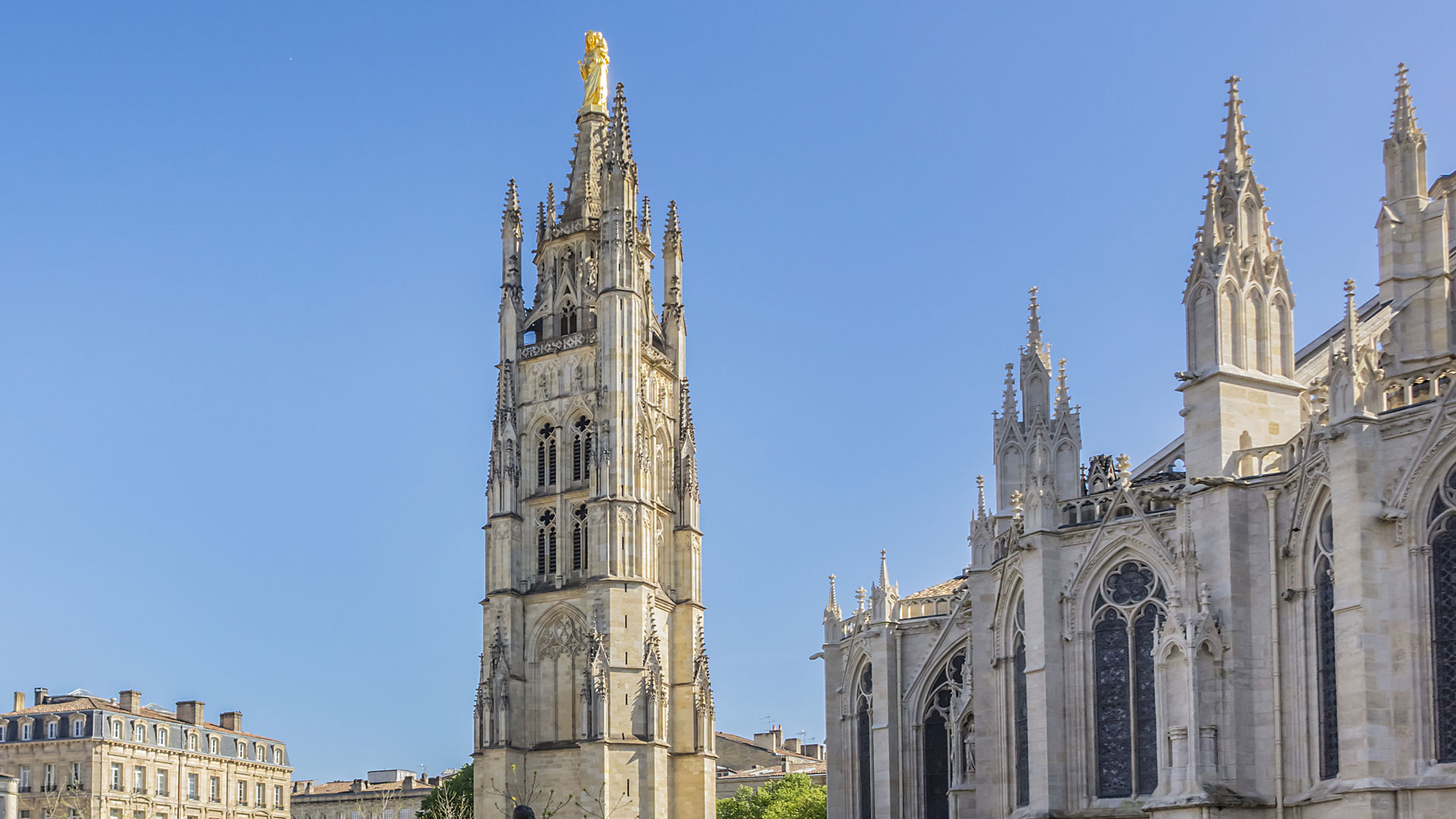
Listed as a UNESCO World Heritage site, Saint-André Cathedral is a masterpiece of Gothic architecture and one of the city’s most imposing landmarks. Built between the 11th and 14th centuries, it is distinguished by its majestic façade and two towering spires, the tallest reaching 81 meters. The cathedral’s interior is just as impressive, featuring soaring vaults, colorful stained glass windows, and period décor. Climbing the spire of Saint-André rewards visitors with breathtaking panoramic views of the city and its surroundings.

The Public Garden

The Public Garden is a true “green lung” in the heart of Bordeaux. This 18th-century park, designed in a classical style, offers a variety of landscapes: vast lawns, shaded pathways, small bridges, ponds, and even a magnificent rose garden. Perfect for a peaceful stroll or a family picnic, this park is an ideal escape from the hustle and bustle of the city. You’ll also find the recently renovated Natural History Museum within the garden.

The Chartrons District

Once the neighborhood of wine merchants, the Chartrons district is now a favorite spot for strolling and discovering the soul of Bordeaux. Its cobbled streets, stone houses, and antique shops create a charming and authentic atmosphere.

Be sure to explore the many artist workshops on Rue Notre Dame, as well as the galleries and trendy cafés that bring life to this vibrant neighborhood.

Discover absolutely stunning properties and wine vineyards in Bordeaux and surroundings with Douglas Elliman France.

Book an appointment

biarritz-plage

Slow Life in Biarritz

Made famous by the imperial couple Eugénie and Napoleon III, who made it their favorite vacation spot, Biarritz continues to captivate with its exceptional lifestyle.

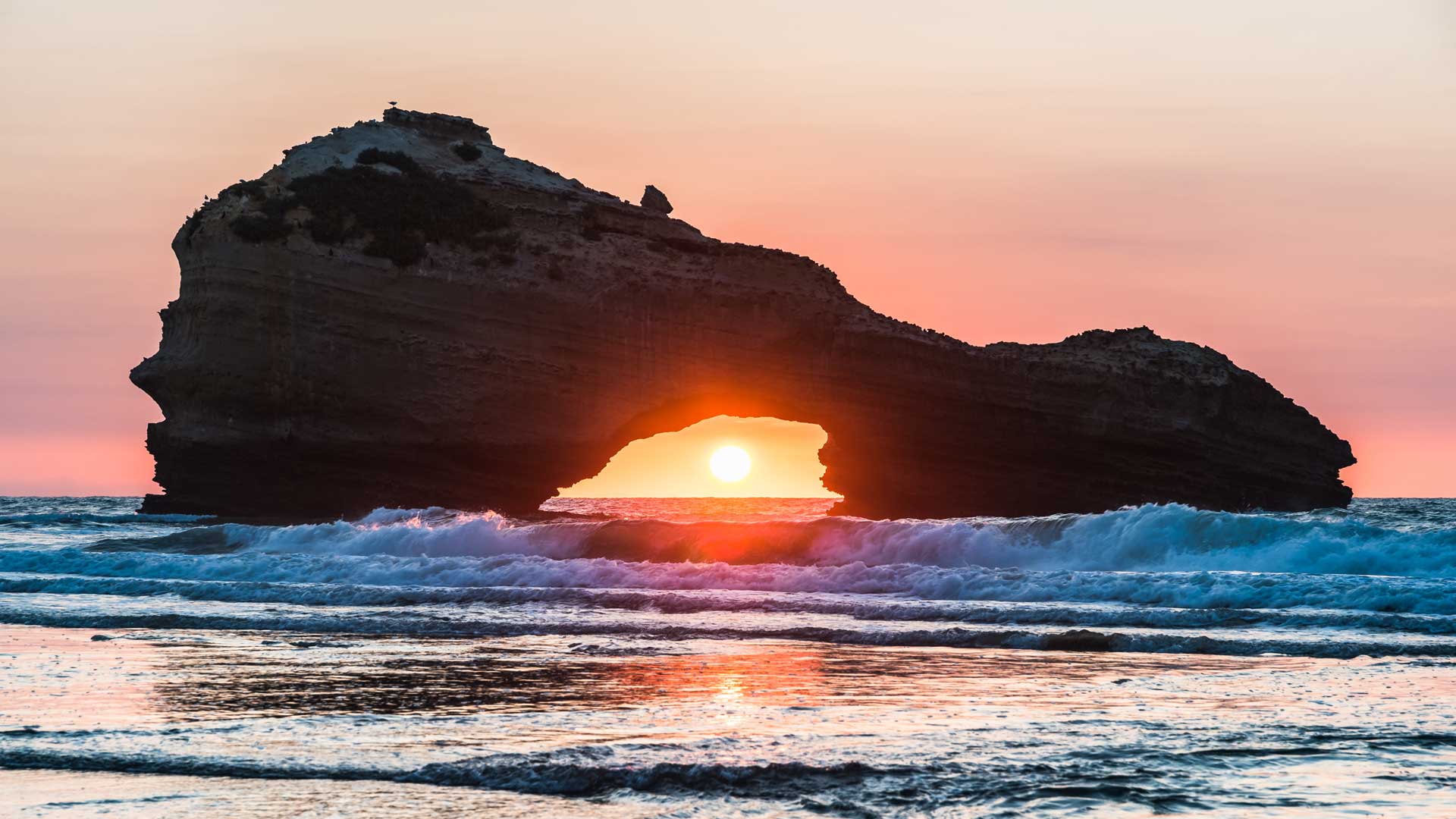
This small Basque town, nestled along the Atlantic Ocean, is renowned for its stunning sandy beaches, such as Milady Beach, the Grande Plage, and the famous Côte des Basques, a paradise for surfers from around the world.

Discover our Properties

Gastronomy & Refinement

True luxury in Biarritz lies in the Basque art of living. Immersing yourself in the local culture and savoring its culinary specialties means discovering the region’s traditions while enjoying the warm hospitality of its people, known as the Biarrots.

A haven for gourmets, Biarritz boasts numerous Michelin-starred restaurants where chefs reveal the authenticity of Basque cuisine, elevating it with exceptional local ingredients. The fusion of culinary tradition and modernity creates a unique gastronomic experience.

The entire region, with its authentic atmosphere, invites visitors to enjoy special moments. Cultural heritage is particularly well-highlighted through art galleries, museums, and a wide array of artistic and cultural events throughout the year, such as the Biarritz Film Festival and major exhibitions. Local life is discreet yet refined, offering an ideal setting for those who appreciate understated luxury. The city’s delightful farmers’ markets allow visitors to explore the flavors of the Basque Country in an intimate atmosphere.

Iconic establishments such as the Hôtel du Palais—Napoleon III’s former imperial palace—or elegant guesthouses offer impeccable service with breathtaking ocean views, ensuring a complete change of scenery. For relaxation and wellness, the Hôtel du Palais houses the sumptuous Spa Imperial. This legendary establishment provides a luxurious retreat with a wide range of treatments inspired by ancestral rituals, including massages, body treatments, anti-aging skincare, and exclusive beauty treatments. The serene and refined ambiance allows guests to unwind in a majestic setting, with stunning sea views and top-tier spa facilities.

Surf & Chilling Out

Surfing in Biarritz is more than just a sport—it’s a way of life, a philosophy centered around savoring every moment. With its legendary beaches and surf spots, Biarritz is a dream playground for wave enthusiasts. The Côte des Basques and Milady Beach are among the must-visit spots where the waves provide perfect conditions to challenge the ocean. Here, surfing is not merely a pastime but a deeply rooted element of the local culture.

Biarritz has hosted the first international surfing competitions and remains a major pillar of the European surf scene. Surfers can enjoy the waves year-round, with ideal conditions in summer and wilder sessions in autumn and winter. Surf schools offer lessons for all skill levels, while the city is home to numerous specialized shops selling high-end boards and gear tailored to every surfer’s needs.

In Biarritz, surfing and outdoor relaxation go hand in hand. Mornings often begin with a thrilling surf session, riding the waves. Afternoons turn into peaceful, rejuvenating moments—strolling along the coast, enjoying a seaside lunch, or taking a nap on the beach before heading into town for the evening.

The beaches of Biarritz offer the perfect balance between physical activity and pure relaxation. After braving the ocean, they become tranquil havens where you can bask in the sun or simply watch the waves while listening to the soothing sound of the sea—an experience unlike any other.

Book an appointment

The Luxury Real Estate Market in Bordeaux

A specialist in luxury real estate in Bordeaux and its surrounding areas, Douglas Elliman France offers a selection of premium properties for sale in Bordeaux, in the countryside, or along the oceanfront. Our expert teams in rare and prestigious properties strive to present exceptional locations: luxury homes, ocean-view villas, luxury apartments, high-end lofts, and vineyard estates.

Discover our Properties

Bordeaux, a Coveted Destination for its Art of Living

Nestled in an environment envied by many, Bordeaux is a sought-after destination for its unique lifestyle and strong identity, recognized worldwide. Building on this appeal, Bordeaux and the West Coast are experiencing a dynamic market rarely seen. This market is marked by diverse demand from both French and international buyers. The clientele ranges from Parisian investors, often in search of a second home, to European or American expatriates attracted by the city’s allure.

The most coveted areas include the historic city center around Place des Quinconces, the Chartrons district, and the Parc Bordelais. The most sought-after properties are mansions, high-end apartments with views of the Garonne, as well as vineyard estates in the surrounding areas.

The luxury real estate market in Bordeaux

The luxury real estate market in Bordeaux has seen a significant rise in prices in recent years. According to recent studies, the average price per square meter in Bordeaux’s high-end sector is around €5,500 to €7,500, with peaks exceeding €10,000 per square meter for exceptional properties.

Sales of prestigious properties were particularly active in 2023. According to FNAIM (Fédération Nationale de l’Immobilier), prices in Bordeaux’s luxury real estate segment rose by about 6% in 2023, a trend that appears to be continuing in 2024. Bordeaux’s luxury real estate is not limited solely to urban residences. Investment in vineyard properties has seen considerable growth in recent years, as interest in Bordeaux vineyards remains strong. Foreign investors, particularly from China, the United States, and the United Kingdom, are keen to acquire vineyard estates.

Prices for châteaux and vineyard estates in the Bordeaux region vary greatly, depending on the size of the property, the renown of the wine label, and proximity to major roads. However, the high-end wine market seems resilient to economic fluctuations, a trend confirmed by average prices in major appellations frequently exceeding €5 to €10 million.

Book an appointment

The Bordeaux Vineyards: Between History and Prestige

Les vignobles bordelais sont incontestablement l’une des grandes fiertés de la région de Bordeaux, et leur renommée ne cesse de croître à l’échelle internationale. Le bordelais est synonyme de grands crus, d’élégance et d’authenticité, il incarne l’art de vivre à la française. Ce savoir-faire viticole centenaire continue d’attirer une clientèle internationale de plus en plus nombreuse. Mais qu’est-ce qui fait des vignobles bordelais un tel aimant pour les visiteurs étrangers ? L’excellence des vins bien sûr, mais aussi l’offre touristique et l’expérience immersive qui s’y déploie. 

Découvrir les propriétés bordelaises

Terroir d’exception

L’attractivité des vignobles bordelais commence par la qualité indiscutable de ses vins. Avec des appellations prestigieuses comme le Médoc, le Saint-Émilion, le Pomerol, et bien d’autres, Bordeaux représente un véritable carrefour de l’excellence viticole. Ces vins sont issus d’un terroir exceptionnel qui bénéficie de conditions climatiques idéales, alliant une influence océanique favorable à une grande diversité de sols (argile, calcaire,graveleux). Les cépages emblématiques de Bordeaux, tels que le Merlot, le Cabernet Sauvignon, et le Cabernet Franc, sont des atouts qui séduisent les amateurs de vin du monde entier. 

Au-delà de la qualité des produits, c’est l’expérience en elle-même qui attire de plus en plus de visiteurs. Le tourisme viticole à Bordeaux s’est largement diversifié ces dernières années pour répondre à une clientèle internationale de plus en plus exigeante. Des visites de châteaux prestigieux, des dégustations de grands crus, mais aussi des expériences plus personnalisées comme des ateliers de création de vin, des promenades à vélo dans les vignes ou des découvertes sensorielles permettent aux visiteurs de plonger dans l’univers complexe et fascinant du vin bordelais. 

Les vignobles bordelais bénéficient d’une attractivité croissante auprès des touristes étrangers. Des chiffres récents montrent que la clientèle internationale représente une part importante du tourisme viticole à Bordeaux. En particulier, les visiteurs en provenance de pays comme la Chine, les États-Unis, le Royaume-Uni, et les pays européens tels que l’Allemagne et les Pays-Bas, sont de plus en plus nombreux. 

LE MARCHÉ DES VIGNOBLES ET CHÂTEAUX

Le marché immobilier des vignobles et châteaux, notamment en France, représente une niche unique, alliant patrimoine historique, production viticole et prestige. Bien au-delà d’un simple investissement immobilier, l’acquisition d’un vignoble ou d’un château s’inscrit dans un projet de vie qui mêle amour du vin, recherche de qualité de vie et parfois un désir de conserver un héritage familial ou culturel. Si la demande est en constante évolution, elle n’est pas sans défis, car l’achat de ces propriétés requiert une connaissance approfondie du secteur viticole, des réglementations et des enjeux économiques. Cet investissement nécessite une forte capacité d’engagement financier et de gestion, tant au niveau de l’entretien du domaine que de la gestion de la production viticole. 

L’un des moteurs principaux de ce marché immobilier est l’intérêt croissant des acheteurs étrangers. Des investisseurs venant de pays comme la Chine, les États-Unis, l’Angleterre, mais aussi de plus en plus des pays du Golfe, voient dans l’acquisition d’un domaine viticole une manière de diversifier leurs investissements et de s’ancrer dans un savoir-faire traditionnel. Le marché immobilier des vignobles et châteaux attire également les amateurs de vin qui, au-delà de l’aspect financier, souhaitent participer activement à la culture du vin, et souvent, au rayonnement d’un cru. 

Le marché immobilier des vignobles et des châteaux a connu une dynamique particulière au cours des dernières décennies. Si, historiquement, ces propriétés étaient principalement le domaine de familles bourgeoises locales ou de grands négociants en vin, la mondialisation du marché du vin a attiré de nouveaux acteurs. Ces dernières années, le marché a vu émerger des investisseurs plus jeunes, souvent issus de milieux entrepreneurs ou de l’industrie du luxe, désireux d’acquérir une propriété emblématique. 

Prendre rendez-vous avec nos équipes

Heading West: New agency in Bordeaux

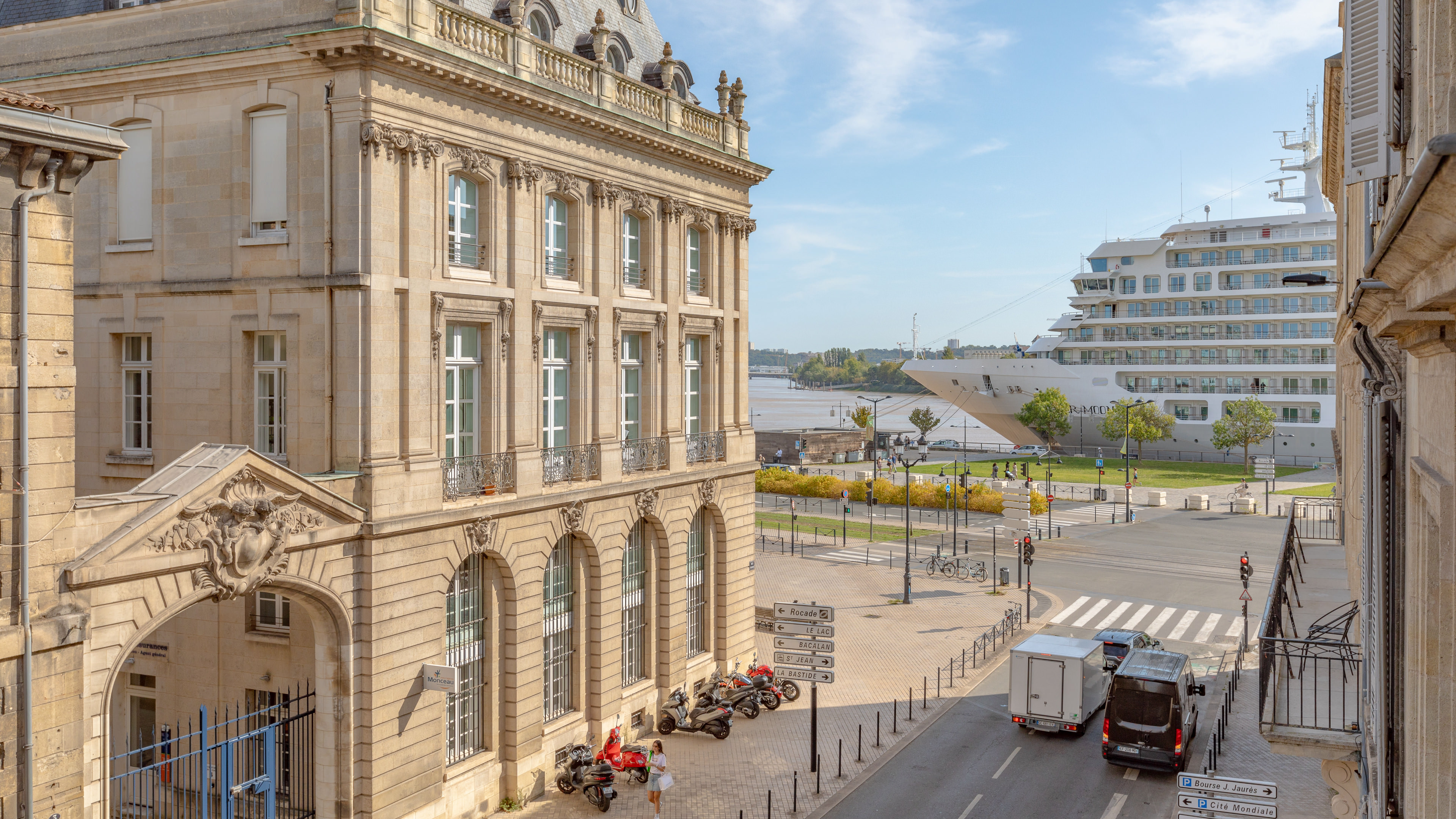
In recent years, Bordeaux has experienced an extraordinary rise. A dynamic city with a wealth of new projects, modern yet attached to its thousand-year-old history, the capital of Gironde is above all a gateway to the vineyards that have made its reputation. From historic châteaux to sumptuous mansions, from large wine estates to charming “pied-à-terre” wine estates on the Arcachon basin, the Bordeaux region offers the very best in prestige real estate. It’s therefore only natural that Douglas Elliman France has chosen to expand in Bordeaux, with a selection of high-end properties that meet the criteria of excellence so highly prized by our customers.

As experts in the sale of rare properties and wine estates, our team does its utmost to present you with exceptional places to live.

“Bordeaux is both a place of pleasure and of interest for property investment. Above all, we like to provoke encounters, stage the “coup de cœur”, and imagine the future.”

Guillaume Touroul-Chevalerie, Director of Douglas Elliman Bordeaux

Discover prestige real estate in Bordeaux

Subscribe to our newsletter


    Region:


    You can unsubscribe at any time by clicking on the link in our emails.